Gst Input and Output Tax Calculation
By streamlining and consolidating many indirect taxes into a single system, the Goods and Services Tax (GST) has completely changed how businesses handle taxes. GST input and output tax calculation. The Input Tax Credit (ITC), a crucial part of GST, allows companies to lower their tax obligations. This blog gives accounting professionals and company owners clarification on how to compute GST input and output taxes.
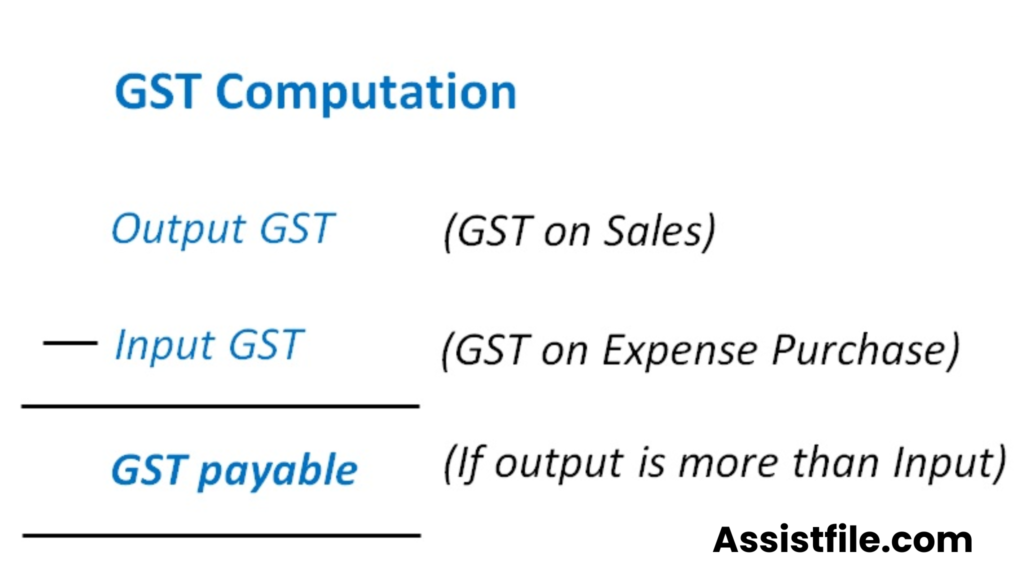
What Is GST Input Tax?
The GST paid on purchases of products or services utilized for business operations is referred to as input tax. In essence, GST input and output tax calculation is the tax that a company pays when it purchases inputs like equipment, raw materials, or services that are required for its operations. Businesses can claim credit for this tax through the Input Tax Credit, which lowers their total GST obligation.
Example of Input Tax
If a manufacturer purchases raw materials worth ₹100,000 and pays 18% GST, the input tax is calculated as:
Input Tax = Purchase Value × GST Rate
= ₹100,000 × 18%
= ₹18,000
What Is GST Output Tax?
Output tax refers to the GST collected by a business on the sale of its goods or services. It is the tax liability a business incurs by selling its products or services to customers.
Example of Output Tax
If the manufacturer sells finished goods worth ₹200,000 and charges 18% GST, the output tax is calculated as:
Output Tax = Sale Value × GST Rate
= ₹200,000 × 18%
= ₹36,000

How Input Tax Credit Works
Input Tax Credit allows businesses to offset the input tax paid against the output tax collected. This reduces the overall GST liability and ensures that taxes are paid only on the value addition at each stage of the supply chain. Learn more
.jpg)


Comments
Post a Comment